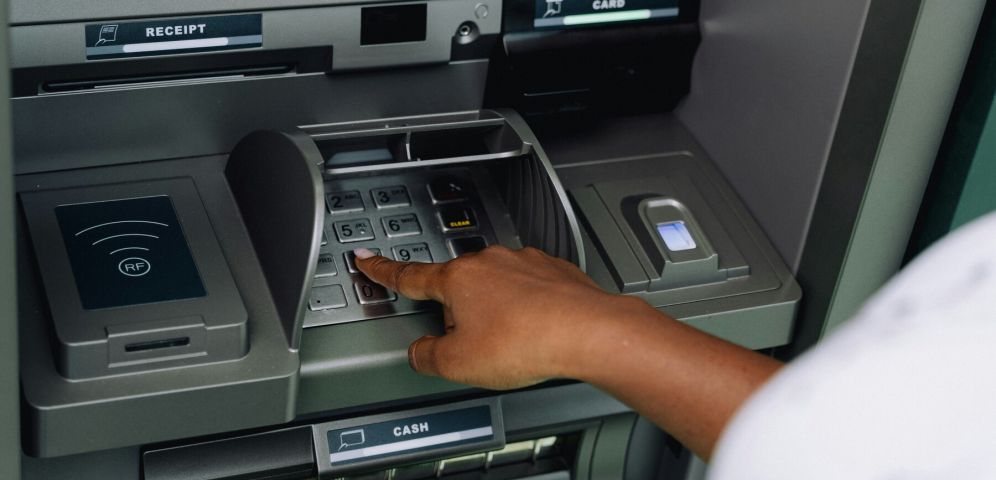
Automated Teller Machines (ATMs) make it easier for you to carry out various banking transactions, including cash withdrawals, fund transfers, bill payments, and balance inquiries. With these services, you do not always need to visit a bank branch to manage your everyday banking needs.
However, under certain circumstances, ATM transactions may fail. For example, a transaction may be declined even when you have sufficient funds, cash may not be dispensed after a withdrawal request, or your account balance may be deducted even though the transaction was unsuccessful.
Such situations can certainly be concerning, especially when you need cash urgently or have an important transaction to complete.
So, what causes ATM transactions to fail, and how can you resolve these issues? Let's explore the possible causes and solutions below.
An ATM transaction failure occurs when a transaction request made through an ATM cannot be processed or completed as intended.
This can happen with various types of transactions, including cash withdrawals, interbank transfers, bill payments, and digital product purchases.
In some cases, the ATM displays a notification stating that the transaction cannot be processed. However, there are also situations in which a transaction appears to have failed even though the account balance has been deducted.
Generally, ATM transaction failures can be classified into the following categories:
Understanding these differences is important so that you can determine the appropriate steps to resolve the issue.
Also read: 6 Causes of ATM Errors and How to Fix Them
Several factors can cause ATM transactions to fail. The problem does not always originate from a malfunctioning machine; it may also be related to your account status, transaction limits, or the banking system.
Here are six common causes you should be aware of.
One of the most common reasons for an ATM transaction failure is an insufficient account balance.
This usually happens when you attempt to withdraw cash or transfer an amount that exceeds your available balance. It is important to note that your available balance may differ from your total account balance, depending on your bank's policies.
Before making a transaction, ensure that your available balance is sufficient to cover the amount you wish to withdraw or transfer. You can check your balance through an ATM or your mobile banking application.
Every bank has its own policies regarding the maximum transaction amount customers can make within a specific period.
For example, debit card cash withdrawals are subject to daily limits, which may vary depending on the card type and the issuing bank's policies.
If you attempt to make a transaction that exceeds the applicable limit, the system may decline your request even if you have sufficient funds in your account.
To avoid this issue, check your ATM card's transaction limits through your bank's official website or customer service channels.
Entering an incorrect PIN can also prevent an ATM transaction from being completed.
In addition to PIN errors, entering incorrect transaction details, such as the recipient's account number or transfer amount, may interfere with the transaction process.
If you enter the wrong PIN multiple times, your ATM card may be blocked in accordance with your bank's security policies.
Therefore, make sure you enter your PIN and transaction details correctly. Always review the information displayed on the ATM screen before confirming a transaction.
Every transaction conducted through an ATM requires communication between the ATM, the payment network, and the banking system to process and confirm the customer's request.
If this communication is disrupted, the transaction may not be completed successfully.
For example, when you withdraw cash, the ATM must send a request to the bank's system to verify your account information and determine whether the transaction can be processed. If this communication is interrupted, the transaction may fail or may not receive the required confirmation.
Such disruptions may be caused by network connectivity issues or problems with the systems used by the parties involved.
ATM transactions may also fail when banking systems or payment networks experience disruptions.
These disruptions can affect account verification, transaction authorization, and the exchange of information between the card-issuing bank and the bank operating the ATM.
As a result, transactions that would normally be processed successfully may be declined or left incomplete.
If you encounter this situation, check your bank's official channels for information about any ongoing service disruptions. If the issue is still being addressed, wait until the service returns to normal before attempting another transaction.
For cash withdrawals, transaction failures may also occur when the ATM experiences problems dispensing cash.
For example, the machine may not have sufficient cash available, the cash dispensing mechanism (cash dispenser) may malfunction, or other components responsible for handling cash may experience technical issues during the transaction.
In certain situations, the system may have received the withdrawal request, but the ATM may fail to dispense the requested cash.
Check this out, too: Don't Panic! 5 Ways to Handle an ATM Not Dispensing Cash
If your ATM transaction fails, there is no need to panic. There are several steps you can take to identify the cause and ensure that the issue is handled appropriately.
Here is how you can resolve a failed ATM transaction.
The first step is to make sure your account balance is sufficient for the transaction. If you are making a cash withdrawal or fund transfer, also ensure that the transaction amount does not exceed the limit set by your bank.
If your balance is insufficient or you have reached your daily transaction limit, adjust the transaction amount according to your available balance and the applicable limits.
Review the information you entered before attempting the transaction again. Make sure your PIN, recipient's account number, and transaction amount are correct.
If the transaction failed due to incorrect information, you can try again after verifying that all the details are accurate.
However, if your ATM card has been blocked due to repeated incorrect PIN entries, contact your card-issuing bank for assistance.
If your ATM transaction fails, check your account statement or transaction history through your mobile banking application or other official banking channels.
This can help you determine whether your account balance has changed or whether the transaction has been recorded in the banking system.
Do not immediately repeat the transaction if its previous status remains unclear, especially if your account balance has already been deducted. This is important to avoid potential duplicate transactions.
If the ATM issues a transaction receipt, keep it for further verification if necessary.
If you do not receive a receipt, you can still record several important details, including:
This information can help the bank investigate the issue when you submit a complaint.
If the transaction continues to fail or you notice an inconsistency in your account balance, contact the customer service team of your card-issuing bank immediately.
Explain the issue in detail and provide the transaction information you have recorded. The bank can help investigate the transaction status and guide you through the resolution process.
Make sure you only use official phone numbers, email addresses, or complaint channels listed on your bank's official website or application.
If the transaction issue has not been resolved, you can submit a formal complaint to the bank.
According to information provided by Bank Indonesia, consumers should first submit their complaints to the relevant service provider through its available official channels. If the resolution provided is unsatisfactory, consumers may escalate their complaints to Bank Indonesia in accordance with applicable regulations.
For complaints involving financial losses, make sure you keep your transaction receipts, a record of the incident, and any other supporting documents.
By following these procedures, your issue can be properly investigated and handled through the appropriate complaint channels.
One of the most concerning types of ATM transaction failure occurs when your account balance is deducted, but the ATM does not dispense any cash.
This situation may occur due to communication issues within the banking system or problems with the ATM's cash dispensing mechanism.
If this happens to you, here are several steps you can take:
If the investigation confirms that the transaction failed and your account was debited, the deducted amount may be refunded in accordance with the investigation results and the bank's applicable policies.
Please note that resolution times may vary. Therefore, you should ask the bank for a complaint reference number and an estimated timeframe for handling your case.
Read more: How to Find the Nearest ATM Easily
Although ATM transaction failures can occur for various reasons, there are several precautions you can take to minimize the risk of encountering problems when using an ATM.
Here are some useful tips:
By following these precautions, you can enjoy a more convenient ATM experience while reducing the likelihood of transaction issues.
ATM transaction failures can occur for various reasons, ranging from insufficient account balances and incorrect PIN entries to disruptions in banking networks and systems.
By understanding the possible causes and how to resolve them, you can take the appropriate steps whenever you encounter a transaction issue. Always check your transaction status and contact your bank if you notice any discrepancies in your account balance.
To support your everyday banking needs, you can take advantage of ATMi's ATM network, which is available across various locations throughout Indonesia. Enjoy convenient access to ATM services to support your cash transaction needs with greater ease.
1. Why does an ATM transaction fail even when I have sufficient funds?
An ATM transaction may fail despite having sufficient funds due to several factors, such as reaching your daily transaction limit, entering an incorrect PIN, network disruptions, or issues with the banking system.
2. What should I do if my ATM transaction fails but my account balance is deducted?
First, check your account statement to verify the transaction status. Record the transaction time, location, and amount, then contact your card-issuing bank's official customer service team immediately to report the incident.
3. Can I get my money back if my account is debited after a failed ATM transaction?
Yes. Funds deducted from your account due to a failed transaction may be refunded if the bank's investigation confirms that the transaction was not successfully completed. The refund process will depend on the investigation results and the bank's applicable policies.
4. How long does it take to receive a refund after a failed ATM transaction?
The refund timeframe may vary depending on the bank's policies, the type of transaction, and the investigation required. To find out the estimated processing time, contact your card-issuing bank directly.
5. Can ATM transactions fail due to network disruptions?
Yes. Network disruptions can interfere with communication between the ATM and the banking system. As a result, transaction requests may not be processed or may fail to receive the required confirmation.