Have you ever experienced an ATM failing to dispense cash after you entered your PIN and completed the withdrawal process? This situation can be stressful, especially if the money has already been deducted from your bank account.
There are several reasons why an ATM may not dispense cash, ranging from network disruptions and technical issues to transactions that fail during processing. However, there is no need to panic immediately. You can take several steps to check your transaction status and report the issue.
So, what should you do if an ATM does not dispense cash during a withdrawal? Read on to learn how to handle the situation properly.
Before taking action, it is important to understand the possible reasons why an ATM may fail to dispense cash. Knowing the potential causes can help you determine the appropriate steps to resolve the issue.
ATMs are connected to banking systems to process transactions, including cash withdrawals. If a network or system communication problem occurs, the transaction may be interrupted, preventing the ATM from dispensing cash even after you enter the withdrawal amount.
In some cases, the transaction status may need to be checked further to determine whether the withdrawal request was successfully processed or failed.
ATMs need an adequate cash supply to process withdrawal requests. If the machine has run out of cash or does not have enough cash to fulfill the requested amount, the transaction may fail.
Therefore, if an ATM does not dispense cash, one possible explanation is that the machine has insufficient cash available or is experiencing difficulties dispensing the required banknotes.
An ATM consists of several components that work together, including devices for reading cards, processing transactions, and dispensing cash.
If the cash dispensing mechanism or another component malfunctions, the machine may be unable to release the requested amount. In this situation, consider using another ATM that is functioning properly and report the issue through the ATM service provider's official channels.
Another possible cause is that the transaction was not successfully completed by the bank's system. This may be related to a system disruption or a communication problem between the systems involved in processing the transaction.
The important thing to check is your account balance. A failed transaction and a transaction that requires further investigation may be handled differently. Therefore, do not immediately assume that your money is lost. Check your account statement and contact your bank for clarification.
Also read: ATM Card Stuck in the Machine? Causes and Solutions
If you experience a problem during a cash withdrawal, stay calm and follow these steps.
The first step is to check your account balance and transaction history through your mobile banking app, internet banking service, or another official banking channel.
Check whether your balance decreased after the withdrawal attempt. If your balance remains unchanged, the transaction may not have resulted in a debit. However, if your balance has decreased but you did not receive any cash, report the incident to your bank immediately for further investigation.
If the ATM issues a receipt, keep it as proof of the transaction. If no receipt is available, record as many relevant details as you can remember.
The information you should prepare includes:
These details can help the bank investigate the transaction when you submit a complaint.
Contact the customer service team of the bank that issued your card to report the incident. Use the phone number, app, or complaint channel listed on the bank's official website.
Explain what happened clearly, including the withdrawal amount, transaction time, ATM location, and status of your account balance. Follow the representative's instructions regarding the next steps.
If the ATM is operated by a provider other than your card-issuing bank, you may also provide the ATM location details to the relevant service provider through its official channels.
If your account balance decreased but the ATM did not dispense cash, submit a formal complaint to your bank. Ask for a complaint reference number so you can track the progress of your case.
The bank will investigate the transaction based on the information you provide. The findings will determine the appropriate resolution, which may include a balance adjustment if a transaction error is confirmed.
Bank Indonesia also provides a consumer complaint mechanism. Under its guidance, consumers should first report the issue to the relevant service provider. If the matter remains unresolved, they may escalate the complaint through Bank Indonesia's official channels.
If the ATM does not dispense cash, avoid making repeated withdrawal attempts before checking the status of the previous transaction.
Check your account balance and transaction history first. If the transaction status is unclear, contact your bank for clarification. This can help prevent duplicate withdrawals if the original transaction was actually processed.
An account being debited without cash being dispensed is an issue that should be reported promptly. Although the situation can be concerning, you should not immediately assume that your money is lost.
Here are the steps you should take.
Keep in mind that your balance may not be restored immediately after a failed transaction. Therefore, do not rely on a specific refund timeframe without confirmation from the bank handling your complaint.
Read more: How to Find the Nearest ATM Easily
Although ATM disruptions cannot always be avoided, there are several ways to reduce the risk of encountering problems during a transaction.
Before making a transaction, check the ATM's condition. If the screen displays an error message, the machine does not appear to be working normally, or a notice indicates that the service is unavailable, consider using another ATM.
Make sure your account balance is sufficient for the amount you want to withdraw, including any applicable transaction fees. This can help prevent failed transactions caused by insufficient funds.
Read the instructions displayed on the screen and confirm that the withdrawal amount is correct before proceeding. Avoid rushing through the process to reduce the risk of selecting the wrong option.
A receipt can be useful if you need to investigate a transaction later. If you choose not to print a receipt, make sure you can still access your transaction history through an official banking service.
Never share your PIN, password, one-time password (OTP), or other confidential banking information with anyone. When contacting customer service, always use official channels and avoid following instructions from unverified parties.
ATMs provide convenient access to cash for a wide range of everyday needs. However, it is important to understand how to use an ATM correctly and know what to do if a transaction problem occurs.
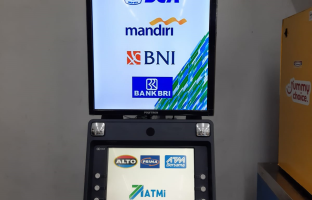
If you need cash, you can use ATMi ATMs available at various locations. Make sure you choose a machine that is functioning properly, follow the on-screen instructions, and always protect your banking information.
By understanding how to handle an ATM that does not dispense cash, you can respond more calmly to transaction issues and take the appropriate steps to seek assistance.
Your balance may be corrected if an investigation confirms that the transaction failed or a processing error occurred. However, the adjustment may not happen automatically or immediately. Contact the bank that issued your card to report the incident and find out what steps will be taken.
The time required to restore your balance depends on the investigation results and the procedures of the bank handling the transaction. There is no single timeframe that applies to every case. Ask your bank for an estimated resolution time and keep your complaint reference number.
You can start by contacting the bank that issued your card to report the failed withdrawal. Provide the ATM's location, especially if the machine is operated by a different service provider. Follow the bank's instructions regarding the next steps in the investigation.
You can still report the issue even if the ATM does not print a receipt. Record the date, time, location, and withdrawal amount. If available, use your transaction history or digital banking records to support your complaint.
Check your account balance and transaction status before trying again. If your account has already been debited or the transaction status is unclear, contact your bank to confirm whether the original transaction was processed. This can help prevent duplicate withdrawals.