ATMs are one of the banking facilities that make it easier for people to carry out various financial transactions, particularly cash withdrawals. With ATMs readily available, you can withdraw cash whenever you need it without having to visit a bank branch.
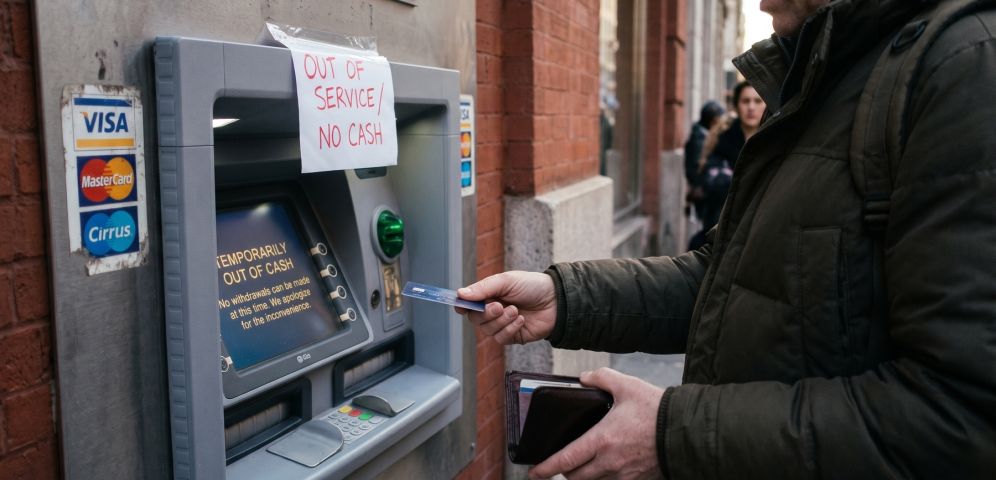
However, have you ever encountered an ATM that could not dispense cash because it had run out of money? This situation can certainly disrupt your transactions, especially when you need cash urgently.
ATMs can run out of cash for several reasons, ranging from high transaction volumes to delays in cash replenishment. So, what causes this issue, and how can you deal with it? Let's explore the explanation below!
An ATM runs out of cash when it no longer has sufficient cash reserves to fulfill customers' withdrawal requests. As a result, the machine cannot dispense the requested amount, and cash withdrawal services may become temporarily unavailable.
An ATM is equipped with a cash storage compartment known as a cash cassette. This component stores banknotes that are dispensed whenever customers make cash withdrawal transactions.
The cash reserves inside an ATM must be monitored and managed regularly to ensure their availability. If the cash supply runs out or becomes insufficient, the machine cannot process cash withdrawals until it has been replenished.
It is important to understand that an ATM running out of cash is different from an ATM experiencing a technical malfunction. When an ATM runs out of cash, the main issue concerns cash availability. Meanwhile, technical malfunctions may result from damaged components or problems with the machine's operating system.
Also read: Don't Panic! 5 Ways to Handle an ATM Not Dispensing Cash
Several factors can cause an ATM to run out of cash. Here are some of the most common reasons.
One of the main reasons ATMs run out of cash is a high volume of withdrawal transactions within a certain period.
ATMs located in strategic areas, such as shopping malls, office districts, terminals, and tourist attractions, are likely to serve a large number of customers.
When the number of cash withdrawals exceeds the estimated cash demand, the machine's available cash reserves may run out more quickly than expected.
This situation may also occur before national holidays, during long weekends, or at certain times when public demand for cash increases.
ATMs require regular cash replenishment to ensure that sufficient cash remains available for customers.
This process is carried out by personnel responsible for managing and replenishing the cash stored inside ATM machines.
However, cash replenishment may be delayed due to various factors, including operational issues, limited access to ATM locations, or adjustments to replenishment schedules.
If an ATM is not replenished before its cash reserves run out, it may temporarily become unavailable for cash withdrawal transactions.
Each ATM location has different characteristics and cash requirements. For example, an ATM in an office district may experience different transaction patterns from one located in a shopping mall or tourist area.
Therefore, ATM operators need to estimate cash requirements based on transaction patterns, the number of users, and surrounding conditions.
If cash demand forecasts do not accurately reflect actual transaction volumes, an ATM may run out of cash before its next scheduled replenishment.
Cash management across ATM networks also involves operational activities and distribution processes that need to run smoothly.
Various challenges, such as transportation disruptions, limited access to ATM locations, environmental conditions, and coordination issues among personnel, can affect the cash replenishment process.
As a result, ATMs scheduled for replenishment may experience delays, potentially leaving them without sufficient cash to serve customers.
Before attempting multiple transactions, there are several signs that can help you identify whether an ATM has run out of cash.
Here are some indicators to look out for:
Keep in mind that these signs do not necessarily mean an ATM has run out of cash. Transaction failures may also result from network disruptions, card-related issues, or other technical problems.
Check this out, too: ATM Transaction Failed? Here Are 6 Common Causes and How to Resolve Them
If you encounter an ATM that has run out of cash, there is no need to panic. Here are several steps you can take to ensure your transaction needs are still met.
The first step is to pay attention to any messages or notifications displayed on the ATM screen.
This information can help you identify why your transaction cannot be processed. If the machine indicates that cash is unavailable, it is best not to attempt another withdrawal using the same ATM.
If the ATM you are using has run out of cash, try finding another nearby ATM that can still process cash withdrawal transactions.
You can use a digital map application and search for the keyword "Nearest ATM" to find alternative locations.
Make sure to consider the ATM's location, accessibility, and surrounding security conditions before making a transaction.
If you cannot find an alternative ATM nearby, you may try again after some time.
An ATM that has run out of cash generally needs to be replenished before it can resume processing withdrawal transactions.
However, if you urgently need cash, it is better to look for another available ATM rather than simply waiting for the machine to be replenished.
If your transaction fails but your account balance has been deducted, contact your card-issuing bank through its official customer service channels immediately.
Provide details such as the transaction time, ATM location, withdrawal amount, and transaction receipt, if available.
Your bank can help investigate the issue and explain the procedures for resolving the failed transaction.
To ensure that your cash withdrawal needs are met, there are several things you can do before visiting an ATM.
Before heading out, you can search for ATM locations through digital map applications or the official information channels of ATM service providers.
By identifying several alternative ATM locations in advance, you can save time if the first machine you visit is unavailable.
Whenever possible, use ATMs located in easily accessible and secure areas, such as shopping malls or commercial districts.
Besides offering convenient access, strategic locations may also provide more alternative ATM options if one machine experiences problems.
If you know you will need cash for a particular purpose, it is best to withdraw it in advance.
This is particularly important before long holidays, when traveling, or during periods when public transaction activity tends to increase.
In addition to cash, you can also use digital payment methods as an alternative for your everyday transactions.
By having several payment options available, you can continue making payments when an ATM experiences technical issues or runs out of cash.
Generally, an ATM running out of cash does not automatically cause your account balance to decrease.
If a withdrawal transaction is declined before it is successfully processed, your account balance should not be deducted.
However, in certain situations, a transaction may be recorded as successful in the banking system even though the ATM does not dispense the cash. This situation should be distinguished from an ATM that has simply run out of cash.
If your account has been debited but you have not received the cash, take the following steps immediately:
Never share your PIN, OTP, or other confidential banking information with anyone while reporting a transaction issue.
Read more: How to Find the Nearest ATM Easily
Having ATMs with sufficient cash reserves is an important factor in ensuring smooth financial transactions for the public. Therefore, choosing an easily accessible ATM location can help you meet your cash withdrawal needs more conveniently.
If you need an ATM to carry out your transactions, find the Nearest ATM and take advantage of ATMi's ATM network, which is available across various regions in Indonesia.
With its extensive ATM network, ATMi is committed to supporting convenient access to cash transaction services for the public. Find an ATMi ATM near you and enjoy a more convenient banking experience whenever you need it.
ATMs can run out of cash due to high cash withdrawal volumes, delays in cash replenishment, inaccurate cash demand planning, and operational or cash distribution issues.
No. If a withdrawal transaction fails before being successfully processed, your account balance should not be deducted. However, if your balance has been deducted but no cash was dispensed, contact your card-issuing bank immediately for further investigation.
You can check the notifications displayed on the ATM screen, such as messages indicating that cash is unavailable or that the transaction cannot be processed. However, keep in mind that technical issues can also cause transaction failures.
Yes. An ATM can resume operations once its cash reserves have been replenished and the machine has been confirmed to be functioning properly.
You can search for the nearest ATM using digital map applications or the official information channels of ATM service providers. If one machine is unavailable, try visiting another ATM nearby.