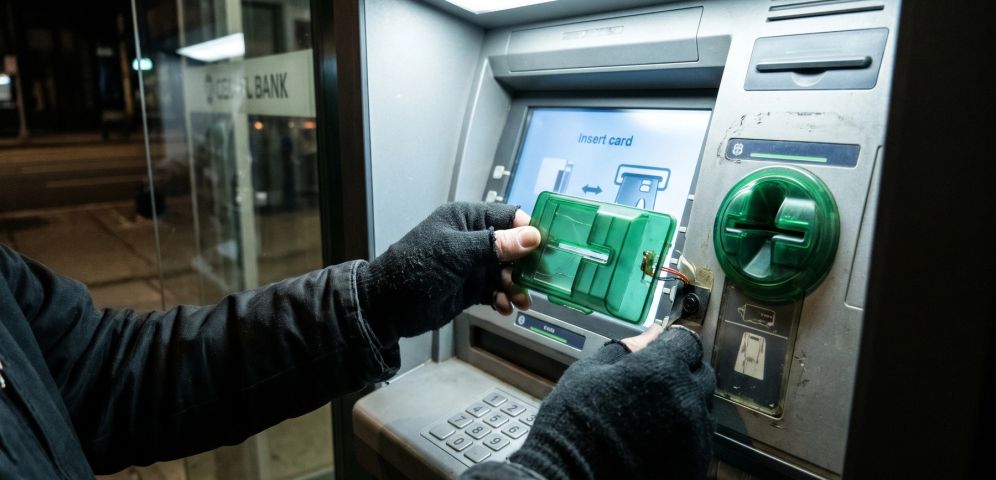
ATMs (Automated Teller Machines) are essential banking facilities that make it easier for people to carry out various financial transactions, including cash withdrawals, fund transfers, and balance inquiries. However, despite their convenience, ATMs can also be exposed to certain security risks, one of which is ATM skimming.
Skimming is a type of financial crime in which criminals steal information stored on ATM cards using specialized devices. The stolen data can then be misused to create cloned cards or conduct unauthorized transactions without the account holder's knowledge.
To help ensure safer transactions, it is important to understand what ATM skimming is, how it works, and what steps you can take to prevent it.
ATM skimming is the illegal practice of stealing information from ATM or debit cards using a specialized device called a skimmer. This device is typically installed illegally on an ATM's card reader to copy the data stored on the card.
According to the Financial Services Authority (Otoritas Jasa Keuangan/OJK) in its educational publication Bijak Ber-Electronic Banking, card skimming refers to the illegal act of reading and storing information from an ATM card's magnetic stripe.
In addition to stealing card information, criminals also attempt to obtain the victim's PIN (Personal Identification Number). This information may be captured using hidden cameras or other devices designed to record the user's activity while entering their PIN.
Once criminals have obtained both the card information and PIN, they may use the data to carry out fraudulent transactions, including creating duplicate cards on systems that still support magnetic stripe transactions.
Therefore, ATM skimming is a form of banking crime that every ATM user should be aware of.
Also read: 6 Causes of ATM Errors and How to Fix Them
ATM skimming generally involves the use of additional devices installed on ATM machines without the knowledge of the machine operator or its users. The process involves stealing card information and attempting to obtain the victim's PIN.
Here is a general overview of how ATM skimming works:
Criminals install an additional card-reading device on the ATM's card reader. The device is designed to resemble the machine's original components, making it difficult to distinguish from the actual card reader.
When a customer inserts their card into an ATM equipped with a skimming device, the device reads and copies the information stored on the card's magnetic stripe.
To obtain the victim's PIN, criminals may use hidden cameras positioned to capture the keypad or other devices capable of recording the numbers entered by the customer.
After obtaining the card information and PIN, criminals can use the data to commit fraud or conduct unauthorized transactions. In certain cases, the stolen information may be used to create cloned cards and access the victim's funds.
This type of criminal activity is also discussed in an academic journal titled Skimming, Cara Kerja dan Pencegahan pada ATM (Skimming: How It Works and Prevention Measures for ATMs), written by Mugiatno Sumbodo and Jafar Octo Fernas (2019).
The study explains that technological advancements have enabled criminals to use communication technologies such as GSM and Wi-Fi to transmit stolen skimming data from ATM locations.
One of the challenges in preventing ATM skimming is that the devices used by criminals are often designed to resemble the machine's original components. As a result, users may not immediately notice the presence of suspicious attachments.
Nevertheless, there are several things you can check before using an ATM, including:
Pay attention to the card insertion slot. If it appears loose, protruding, bent, or has unusual attachments, avoid using the machine.
Check the area around the PIN keypad. Be cautious if you notice unusual attachments, such as a keypad overlay that looks different from the original or other suspicious components nearby.
Criminals may use hidden cameras to record the PIN entered by customers. Therefore, check the area above the keypad and around the machine for any unusual objects that do not appear to be part of its original design.
Inspect the ATM's physical condition before making a transaction. If any component appears to have been recently attached, is not properly secured, or looks different from the machine's other components, do not proceed with the transaction.
Bank Indonesia, through its educational material Waspada Fraud dalam Transaksi SP (Beware of Fraud in Payment System Transactions), also advises the public to pay attention to the condition of ATM card readers, particularly if they appear scratched, loose, bent, or improperly positioned.
Keep in mind that these signs do not necessarily confirm that an ATM has been equipped with a skimming device. However, if you notice anything suspicious, it is best to use another ATM and immediately report the issue to the relevant operator or bank.
Staying alert when using an ATM is one of the most important steps you can take to protect your card information and keep your bank account secure.
Here are some practical tips to help prevent ATM skimming:
Before inserting your card, take a moment to inspect the ATM's physical condition, particularly the card reader, keypad, and surrounding areas. Avoid using machines with suspicious attachments or components that appear unusual.
Make it a habit to cover the keypad with your hand when entering your PIN. This simple precaution can help prevent others from seeing your PIN or hidden cameras from recording it.
Choose ATMs located in secure, well-lit areas with adequate security measures, such as CCTV surveillance. ATMs located in bank branches, shopping centers, or monitored public areas can be suitable options.
Keep your PIN confidential and never share it with anyone, including individuals claiming to be bank representatives. Banks should never ask you to disclose your PIN for verification purposes or to resolve account-related issues.
Changing your PIN periodically can be an additional measure to help protect your card. Make sure to choose a combination that is difficult to guess, avoiding easily identifiable numbers such as your date of birth or simple numerical sequences.
If your bank provides transaction notification services, consider activating this feature so you can monitor account activity more promptly. This allows you to identify and report unfamiliar transactions as soon as possible.
Make it a habit to review your transaction history to ensure there is no suspicious activity. If you notice any transactions you did not authorize, contact your bank immediately.
Read more: How to Find the Nearest ATM Easily
If you notice suspicious transactions or suspect that your ATM card information has been stolen, do not panic. Take the following steps immediately to minimize the risk of further financial losses.
Contact your card-issuing bank through its official customer service hotline to report the suspected skimming incident. Explain what happened and provide details of any transactions you do not recognize.
Ask your bank to block the card suspected of having compromised information. This step can help prevent further unauthorized use of your card.
After consulting with your bank, change your PIN immediately. If there are indications that other banking access credentials may also have been compromised, ask your bank for guidance on securing them.
Report all suspicious transactions to your bank so that they can be investigated further. Make sure to record the transaction dates, amounts, and other relevant details.
Keep copies of transaction receipts, screenshots of your account statements, and the complaint reference number provided by your bank. These records may help support the investigation and resolution process.
Additionally, avoid contacting phone numbers displayed on suspicious stickers attached to ATM machines. Always use the customer service number listed on your bank's official website, social media accounts, or mobile banking application to avoid falling victim to other forms of fraud.
ATM skimming is a form of banking crime that involves stealing card information to conduct transactions without the account holder's knowledge. This type of crime may involve unauthorized devices attached to ATM machines or hidden equipment used to capture customers' PINs.
Nevertheless, the risk of skimming can be reduced by staying alert and adopting safe banking habits. These include checking the ATM's physical condition, keeping your PIN confidential, and regularly monitoring your bank account transactions.
Choosing ATMs that are properly maintained and located in secure areas is also an important part of ensuring a safe and convenient banking experience.
ATMi ATMs are committed to maintaining quality and security standards to ensure a comfortable transaction experience. Find our nearest ATM location and enjoy convenient access to the everyday financial services you need.
ATM skimming is the illegal practice of stealing ATM or debit card information using specialized devices installed on ATM machines. The stolen data can be misused to conduct unauthorized transactions without the cardholder's knowledge.
Card information can be stolen when a card is inserted into an ATM equipped with a skimming device. However, to carry out certain types of transactions, criminals may also need authentication information, such as the victim's PIN. This is why keeping your PIN confidential is essential.
You can inspect the machine's physical condition, particularly the card slot and keypad. Be cautious of components that appear loose, unusual, or out of place, as well as suspicious cameras or foreign objects around the machine.
If you suspect that your card has been compromised by skimming, contact your card-issuing bank immediately and request that the card be blocked. This can help prevent further unauthorized use.
Always cover the keypad when entering your PIN, avoid using easily guessed number combinations, and never share your PIN with anyone, including individuals claiming to be bank representatives.