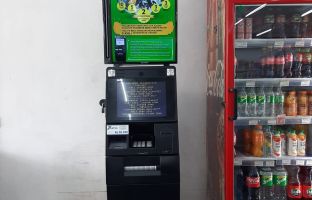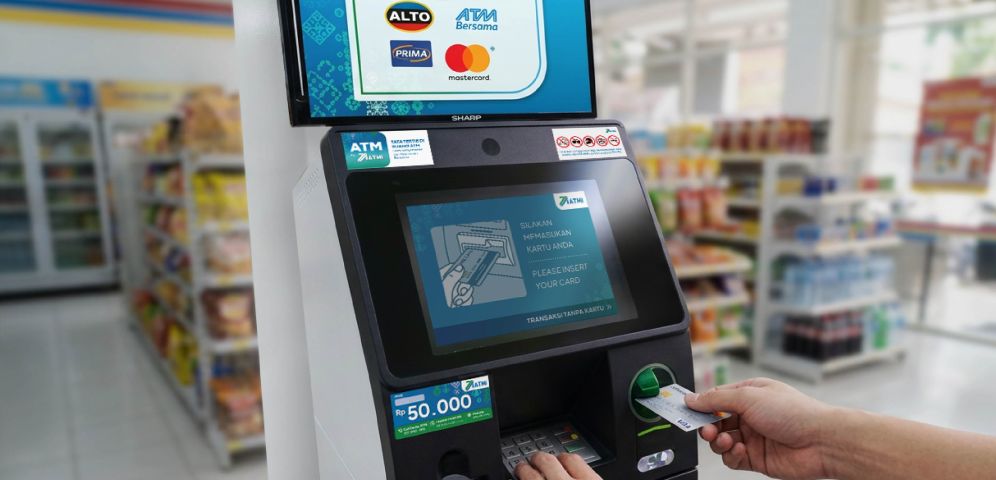
ATM innovations continue to make it easier for customers to access banking services anytime and anywhere. Despite their convenience and practicality, using ATMs also comes with security risks if customers are not careful.
Various forms of fraud, such as skimming, card trapping, and scams impersonating bank representatives, are still common. Therefore, every user should understand safe ATM transaction tips to avoid the risk of data theft and financial loss.
Before making a transaction, make sure the ATM is located in a busy area, equipped with surveillance cameras, and has security personnel nearby. Avoid using ATMs in isolated areas to minimize the risk of crime.
Before inserting your ATM card, make sure there are no suspicious or unauthorized devices attached to the ATM. If you notice anything unusual, report it to the bank immediately and use another ATM.
When entering your PIN, cover the keypad with your hand or body. This is important to prevent others from seeing your PIN.
If you experience any issues while making a transaction at an ATM, be cautious of strangers who offer to help. Instead, contact the security personnel at the location directly.
Make sure your ATM card is safely stored after completing the transaction. Also, check that you have not left any personal belongings behind, as they could potentially be misused by others.
ATM security does not solely depend on customer awareness. It also depends on how ATM machines are managed and maintained. Proper ATM management helps ensure that each machine operates optimally, securely, and remains ready for use at all times.
Through structured management processes, the physical condition of ATMs can be inspected regularly to detect potential damage or signs of tampering, such as skimming devices or issues with ATM components.
Regular monitoring also enables technical issues to be addressed more quickly, helping minimize the risk of service disruptions.
ATM management also includes hardware and software maintenance, security system updates, and continuous operational monitoring.
Through these processes, banks can maintain service reliability while providing customers with a safer and more convenient transaction experience.
Therefore, implementing ATM Managed Services is one solution that can help the banking industry manage ATM networks more efficiently.
With operational support, preventive maintenance, and integrated monitoring, ATM Managed Services can help ensure ATM operational continuity while enhancing transaction security standards.