


Automated Teller Machines (ATMs) are one of the banking facilities that make it easier for people to carry out various financial transactions independently. From cash withdrawals and money transfers to balance inquiries and bill payments, you can complete many banking transactions through an ATM without visiting a bank branch.
Although ATMs offer convenience, security remains an important factor to consider whenever you use one. Risks such as card data theft, PIN misuse, and scams targeting ATM users can occur when people are not sufficiently cautious.
Therefore, understanding how to use ATMs safely can help protect your card and bank account during transactions. So, what should you keep in mind to ensure safer and more convenient ATM transactions? Here are ten essential tips to follow.
Here are ten practical tips you can follow to help protect yourself whenever you use an ATM.
The first step in protecting your transactions is choosing a safe ATM location. Whenever possible, use ATMs in well-lit, busy areas with adequate security, such as shopping malls or bank premises.
Avoid using ATMs in dark, quiet, or isolated locations, especially at night. You should also pay attention to your surroundings before inserting your card into the machine.
If you feel unsafe or notice anyone behaving suspiciously near the ATM, consider cancelling your transaction and finding another machine.
Before starting a transaction, take a moment to inspect the ATM's physical condition. Pay attention to the card slot, PIN keypad, and the area around the screen.
Be cautious of any components that appear loose, improperly attached, or different from the rest of the machine. These could be signs of suspicious additional devices.
One type of ATM-related crime to watch out for is card skimming, which involves stealing card information using specialized devices. Criminals may install card-reading devices on ATMs and use hidden cameras or other methods to capture victims' PINs.
According to the Financial Services Authority of Indonesia (OJK) in its Bijak Ber-Electronic Banking guide, ATM users should inspect machines carefully and exercise caution when entering their PINs to minimize the risk of skimming.
If you notice anything suspicious, do not use the machine. Instead, report it to the bank or ATM operator through an official communication channel.
Your PIN (Personal Identification Number) is confidential information used to authenticate certain transactions made with your card. Therefore, keeping your PIN private is one of the most important steps in maintaining transaction security.
When entering your PIN, cover the keypad with your hand to prevent others from seeing the numbers you press or hidden cameras from recording them. Also, make sure no one is standing too close and watching your activities.
Never share your PIN with anyone, including individuals claiming to be bank employees or customer service representatives. You should also avoid writing your PIN on your ATM card or storing it somewhere others could easily access.
Remember, you are responsible for keeping your card authentication details confidential. Do not let the convenience of ATM transactions put your personal information at risk.
Also read: Can You Withdraw Cash Without a Card? Follow These 5 Tips!
In addition to keeping your PIN confidential, you should choose a combination of numbers that is difficult for others to guess. Avoid using your date of birth, phone number, or simple number sequences related to your personal information.
Such information may be known to others and could make your PIN easier to guess.
If possible, change your PIN periodically in accordance with your bank's procedures. When creating a new PIN, choose a combination that is not directly associated with your identity but is still easy for you to remember without writing it down in an insecure place.
By choosing a less predictable PIN and keeping it confidential, you can reduce the risk of ATM card misuse.
If you have difficulty using an ATM, someone nearby may offer to help. Although they may appear helpful, you should remain cautious, especially if they ask for your PIN, take your card, or instruct you to perform steps you do not understand.
Some scams take advantage of situations in which a card gets retained by an ATM or a transaction encounters a problem. Criminals may pretend to help victims while attempting to obtain their card information or PIN.
If you need assistance, contact your card-issuing bank or the ATM operator through a verified official contact number. Never hand your ATM card to unauthorized individuals or follow suspicious instructions.
Bank employees do not need your confidential PIN to help you handle a complaint.
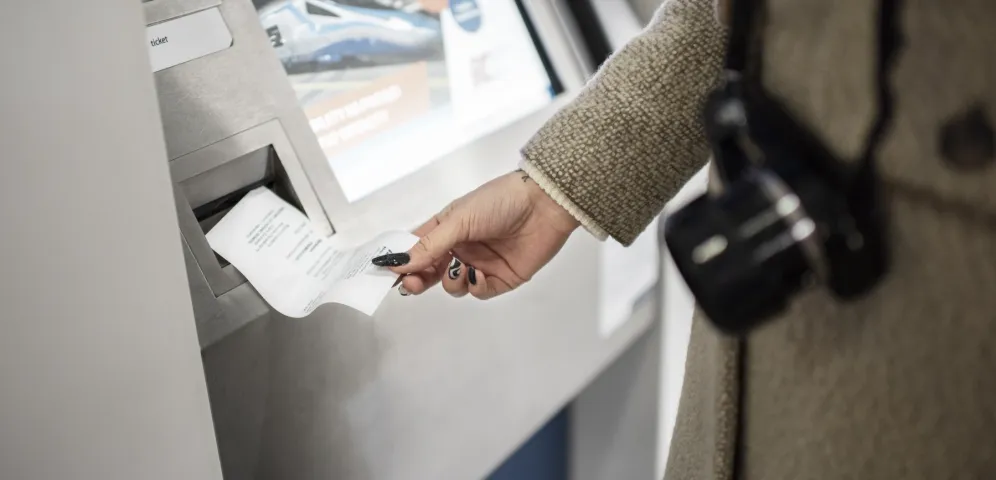
After completing a transaction, make sure you retrieve your ATM card, cash, and transaction receipt, if available. Do not leave the machine until you have confirmed that the entire transaction process is complete.
Check that your card has been returned and that the amount of cash you receive matches your withdrawal request. Secure your card and money before leaving the ATM area.
Avoid counting large amounts of cash in front of the machine or displaying your money to people nearby for too long. If you need to recount your cash, do so in a safer location.
This simple habit can help prevent your card from being left behind, your money from falling, or you from becoming a target for criminals.
Being careful is also an essential part of ATM security, especially when making money transfers or bill payments.
Before pressing the confirmation button, review the information displayed on the screen. Make sure the destination account number, recipient's name (if displayed), and transaction amount are correct.
Do not rush through the process just to finish your transaction quickly. Entering an incorrect amount or destination account number may cause problems that require additional steps to resolve.
If the displayed information does not match your intended transaction, cancel it and review the details before trying again.
After completing a transaction, keep your ATM receipt if one is available. It can help you verify transaction details if any issues arise.
You should also check your account balance and transaction history regularly through the official channels provided by your bank. Make sure the recorded transactions match your actual activities.
You may also enable transaction notifications if your bank offers this service. This allows you to identify unfamiliar transactions more quickly.
If you notice an incorrect amount or a transaction you did not authorize, contact your bank immediately for further investigation.
In addition to checking the physical condition of the machine, you should understand some of the common criminal methods used to target ATM users.
One of these is card skimming, which involves stealing card information through specialized devices. Another method is card trapping, in which criminals manipulate the machine to trap or retain a customer's card.
In these situations, criminals may pretend to offer assistance or ask you to re-enter your PIN. Therefore, never follow instructions from strangers who request confidential information or ask you to perform suspicious actions.
If your card cannot be retrieved from the machine, remain calm. Contact your card-issuing bank through its official customer service number and request a card block if necessary.
Do not use phone numbers displayed on suspicious stickers attached to ATMs without verifying their authenticity. Instead, use the contact details listed on your bank's official website, social media accounts, or mobile application.
If your card is retained by an ATM, your cash is not dispensed even though your account has been debited, or you discover an unfamiliar transaction, report the incident to your card-issuing bank immediately.
Explain what happened clearly, including the ATM location, date and time, transaction type, and amount involved. Keep any available transaction receipts or supporting information to help the bank investigate the issue.
If your card is lost or you suspect unauthorized activity, ask your bank about its card-blocking procedures and the next steps to secure your account.
Make sure you communicate only through official channels. Never share your PIN, password, or OTP (One-Time Password) with anyone claiming they can help resolve the issue.
The sooner you report a problem, the sooner your bank can investigate and provide appropriate guidance.
Read more: How to Find the Nearest ATM Easily
ATMs may occasionally experience technical issues or display unusual conditions. If this happens, remain calm and prioritize your safety.
Here are some steps you can take depending on the situation:
As a preventive measure, save your bank's official customer service number before an emergency occurs. This way, you will not have to search for contact information in a hurry when a problem arises.
Understanding how to use ATMs safely is a simple yet important step in protecting your card, PIN, and bank account. From choosing a secure location and checking the machine's condition to keeping your PIN confidential and monitoring your account activity, each of these habits plays an important role in reducing the risk of unauthorized transactions.
Additionally, always be cautious of strangers offering assistance and promptly report any suspicious activity or issues through your bank's official channels.
By following these safety measures, you can carry out various ATM transactions with greater confidence, peace of mind, and convenience.
Need to withdraw cash? Find the nearest ATM and enjoy a safe and convenient transaction. At ATMi, your transaction security and convenience are always our top priorities. Trust ATMi to support your everyday financial transactions!
Some essential ATM safety tips include choosing a secure location, checking the machine for signs of tampering, keeping your PIN confidential, avoiding easily guessable PINs, refusing assistance from strangers, and reviewing your transaction receipts and account activity.
Check the card slot, keypad, and area around the screen. Be cautious of components that look unusual, loose, or suspicious. However, skimming devices can be designed to be difficult to detect, so a physical inspection alone cannot guarantee that an ATM is free from skimming devices.
It is best to avoid accepting assistance from strangers, especially if they ask for your PIN, take your card, or instruct you to perform suspicious actions. If you need help, contact your bank through its official channels.
Remain calm and never share your PIN with anyone. Contact your card-issuing bank through its official customer service number to report the incident and ask for further instructions. If necessary, request that your card be blocked to prevent unauthorized use.
Contact your card-issuing bank immediately through its official channels to report the transaction. Prepare the transaction date, amount, and any available supporting receipts. Follow your bank's instructions regarding the investigation and the necessary steps to secure your account.


